02
Springs
Rain sinks on the plateau and comes back at the foot of it. How the limestone stores the water, loses it, gives it back — and how you prove which water went where.
Start here
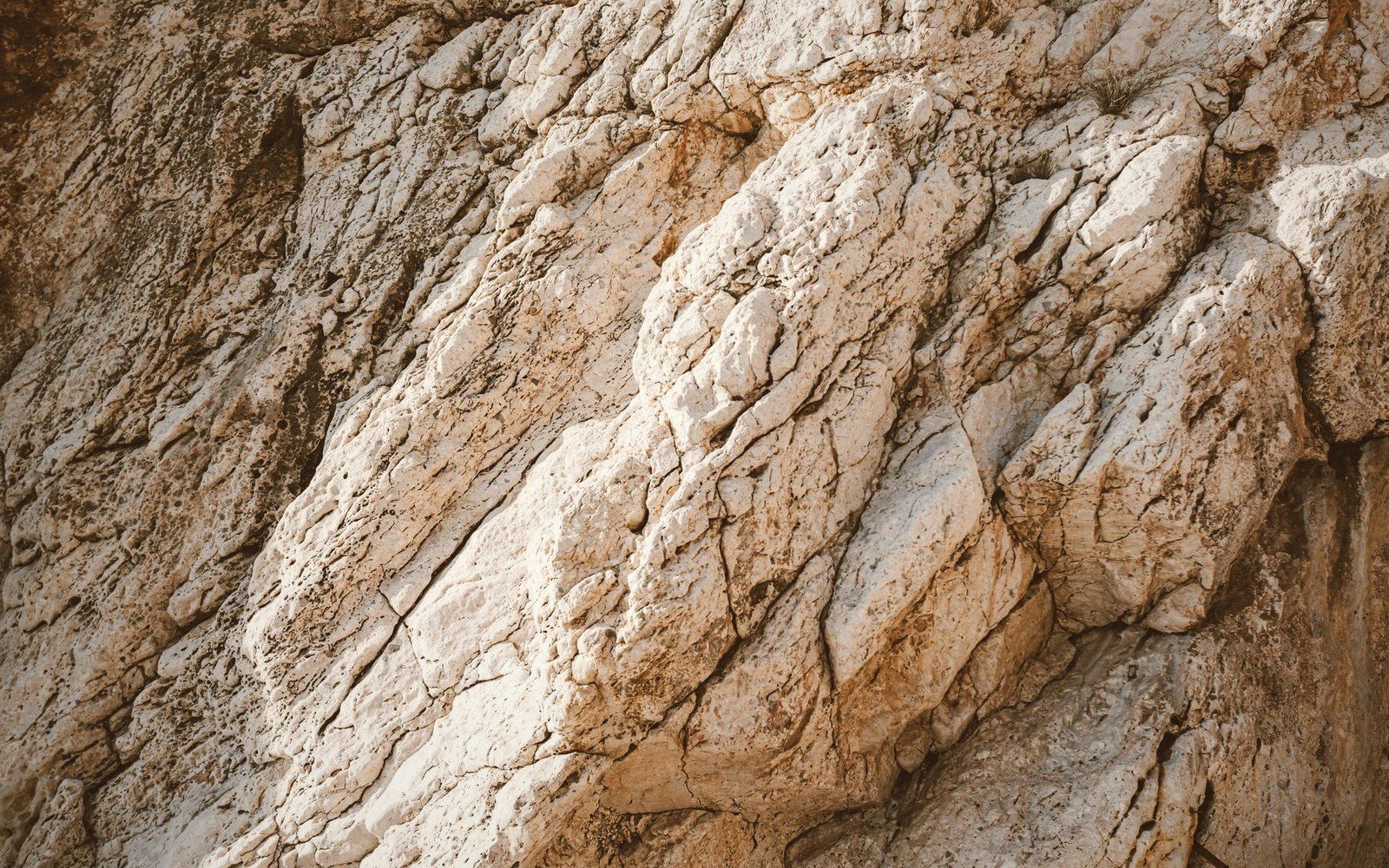
Through the rock
The rock is the reservoir
Limestone stores rain in fissures and gives it back at a spring, so the flow answers the weather with a delay measured in days.
Everything in Springs
- 2.1Through the rock
The rock is the reservoir
Limestone stores rain in fissures and gives it back at a spring, so the flow answers the weather with a delay measured in days.
- 2.2Through the rock
Swallow holes
Where a surface stream goes underground and stops being visible.
- 2.3Through the rock
Dye tracing
Colouring the water to find out which spring it comes out of.
- 2.4Out at the spring
Flood response
A karst spring can multiply its flow in hours. What that does downstream.
- 2.5Out at the spring
Hard water
Dissolved limestone carried out and re-deposited as tufa.
Elsewhere in the survey