Wine under a veil
Vin jaune is not a mistake. The film that forms on the surface of the wine is cultivated, controlled, and responsible for one of the most singular flavours in French winemaking.
A living lid
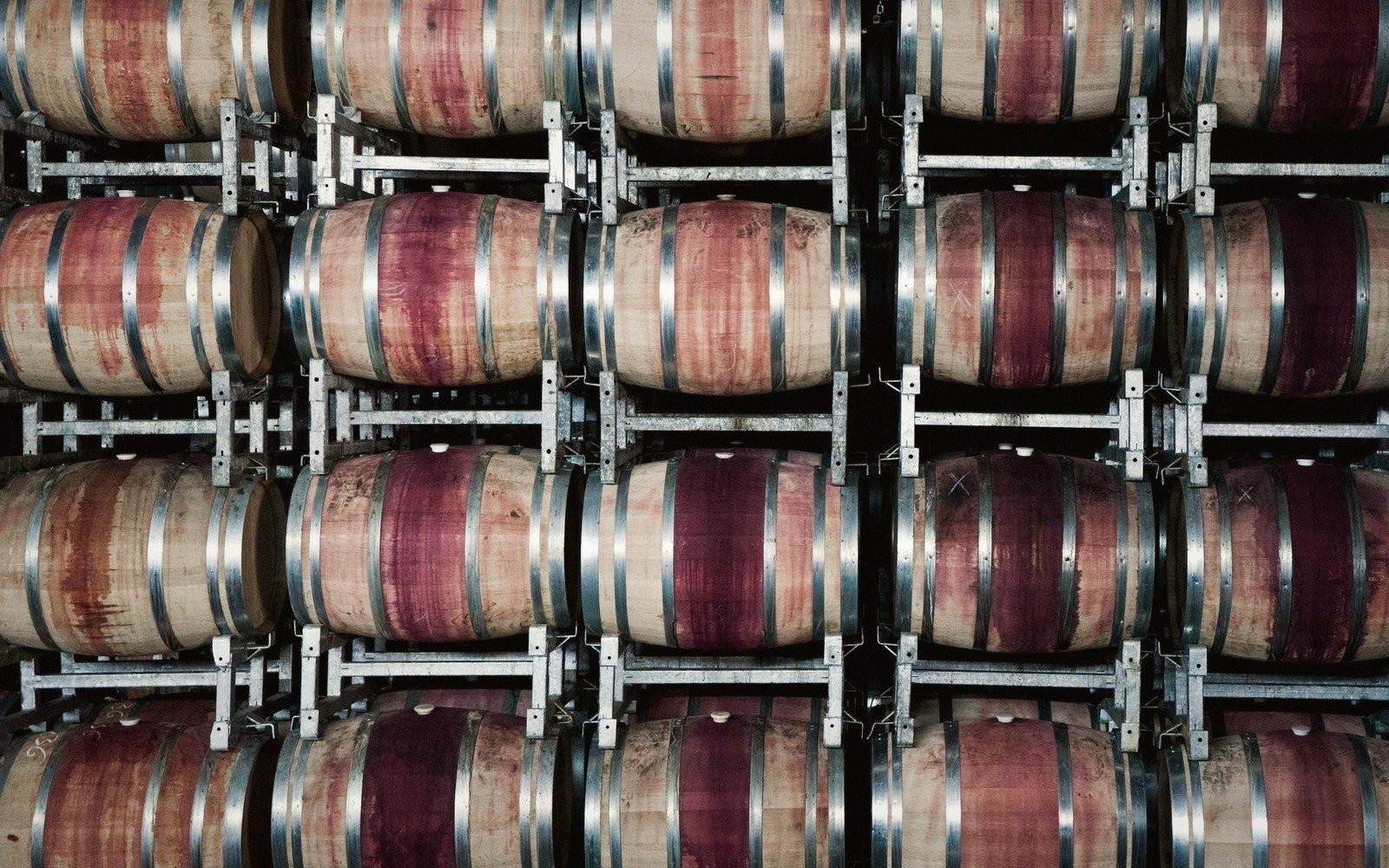
Fill a barrel of white wine from Savagnin grapes, deliberately leave a gap of air at the top, and wait. Within weeks, a wrinkled, cream-coloured film spreads across the surface. This is the voile — the veil — a community of yeast, principally Saccharomyces cerevisiae var. beticus and related strains, that have metabolised the last of the dissolved oxygen and now form a continuous living lid between the wine and the air above it.
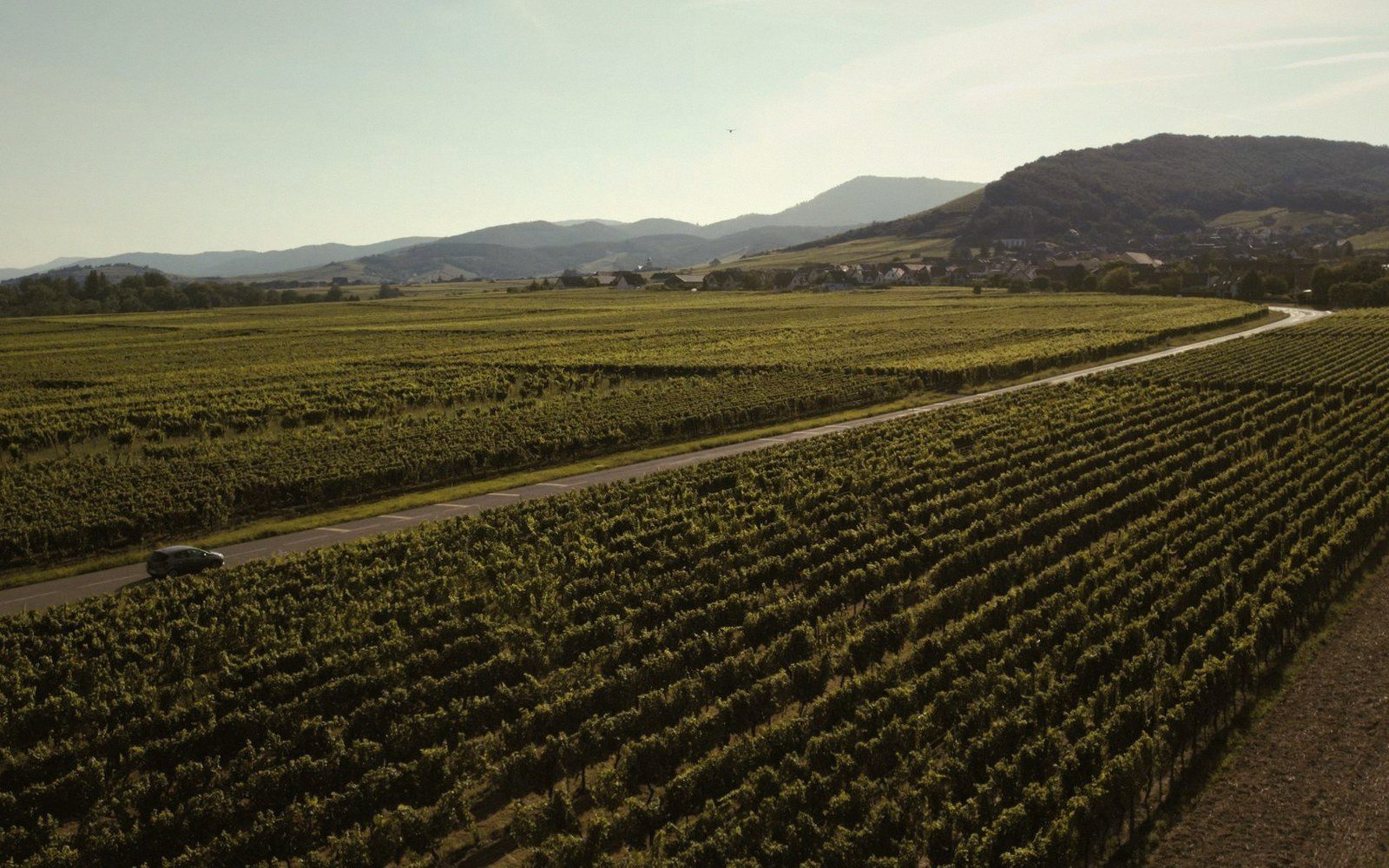
Elsewhere in winemaking, a film like this would be a disaster. Winemakers elsewhere top up their barrels obsessively, excluding oxygen to prevent oxidation and spoilage. Here in the Jura, in the appellation of Château-Chalon and the broader Côtes du Jura, the gap is the point. The barrel is left part-filled, typically to about five-sixths of its capacity, in a cellar where temperature shifts with the seasons — cool stone walls, no climate control, the same conditions that have governed this production for centuries.
Over the next six years and three months — the legally required minimum — the veil does its work. It protects the wine from outright oxidation while simultaneously allowing a slow, controlled exchange: the yeast consumes glycerol and ethanol, releasing acetaldehyde and generating the compounds that build the wine's characteristic walnut, curry and dried-fruit profile. The wine concentrates as it slowly evaporates, losing roughly a third of its volume by the time it is bottled. That loss is called la part des anges — the angels' share — although in the Jura they make no romance of it; it is simply the cost of the process.
Field notes · Process and measurement
- Voilethe yeast film that forms on the surface of a part-filled barrel; the defining feature of vin jaune production
- Six years and three monthsthe legally required minimum ageing period under the veil
- La part des angesthe angels' share; the volume lost to evaporation during barrel ageing, roughly one third
- Clavelinthe squat 62-centilitre bottle unique to vin jaune, sized to reflect the remaining volume after losses
The resulting wine is bottled in a clavelin, a squat 62-centilitre vessel whose volume corresponds, roughly, to what remains of a litre after the ageing losses. This bottle shape is unique to vin jaune and functions as a unit of measure as much as a container.
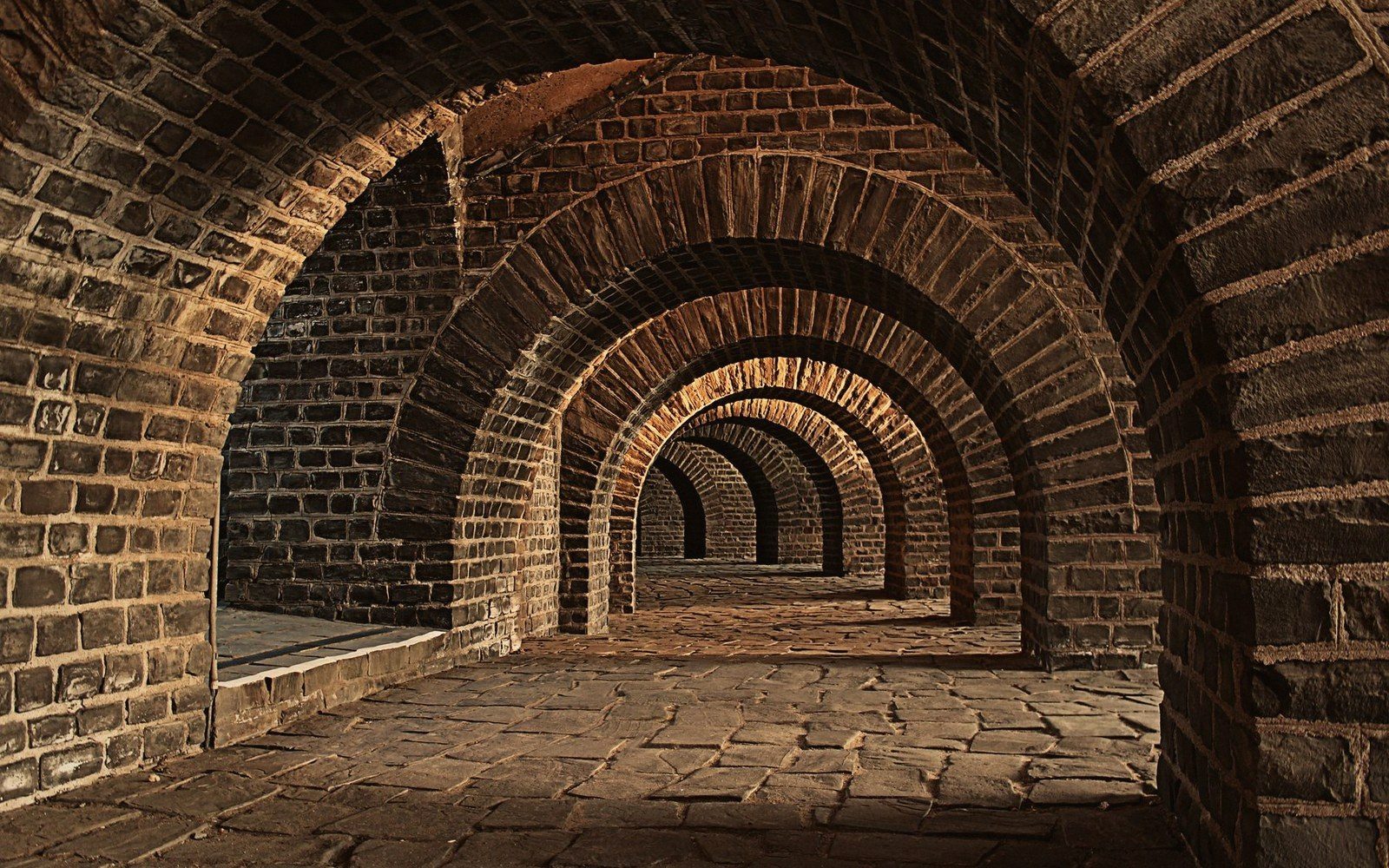
The grey marl slopes below the plateau edge are where Savagnin grapes find the drainage and mineral uptake that make them suited to this process. The slope is the vineyard: without the right geometry of aspect and soil, you never get the grape, and without the grape, no veil is worth cultivating. Geology comes first, and the yeast film follows.
Keep following the water