The slope is the vineyard
Where the grey marl tilts toward the sun, drainage and aspect together do what the winemaker cannot.
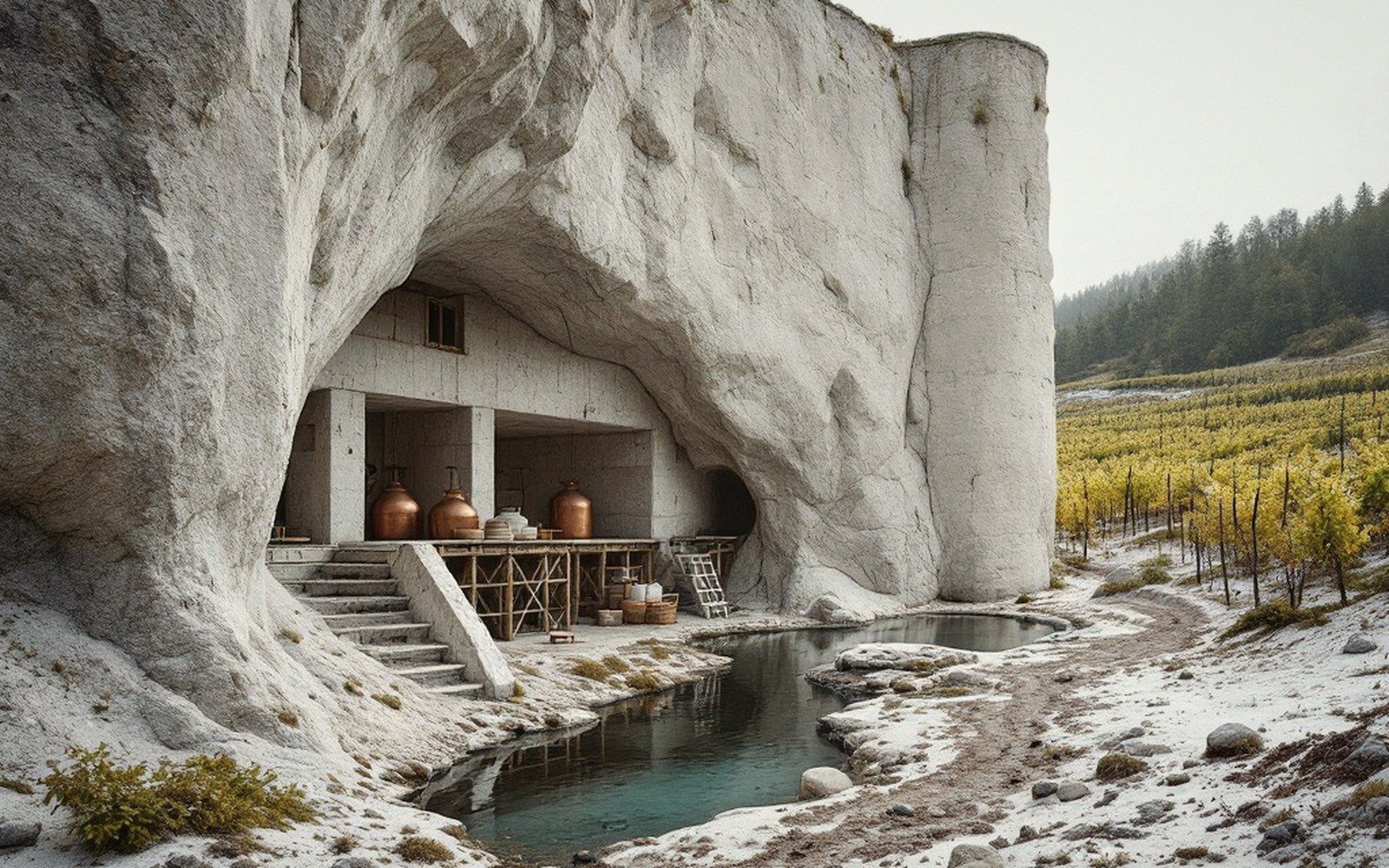
The tilt decides everything
Flat ground in this valley-floor country looks like the easier option — gentler to work, nearer the water. But flat ground is where the frost pools. On clear spring nights, cold air drains downhill and collects in every hollow, hanging there while the slopes a few metres above stay a degree or two warmer. That small margin is the difference between a ruined bud burst and a viable vintage, and the winemaker has known it for centuries before anyone had a word for cold-air drainage.
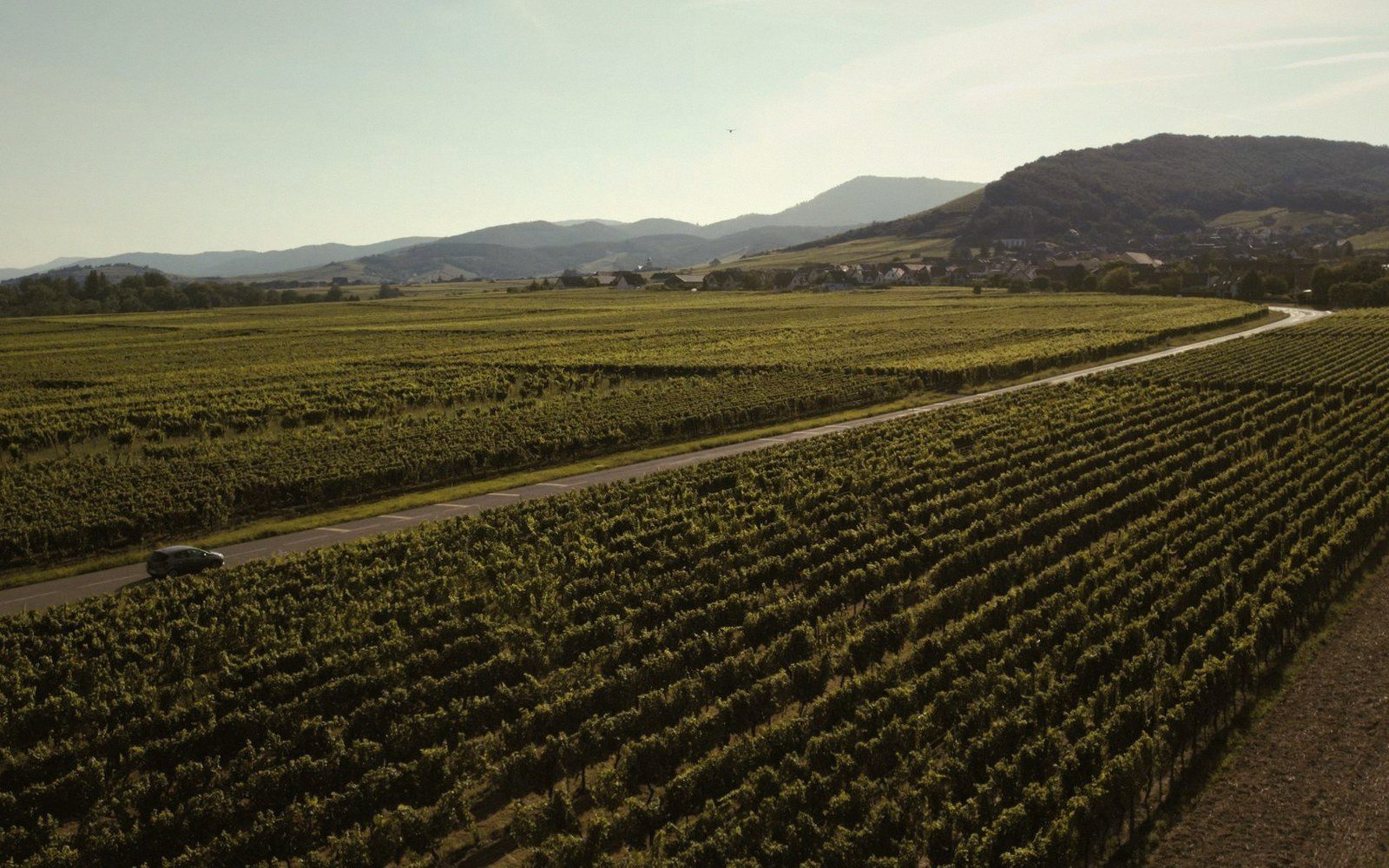
The grey marl beneath the limestone edge holds the answer to a second problem: water. Clay-rich soils do not drain freely; left flat, they sit wet through spring and stress the vine in a different direction — waterlogged roots, slow warming, delayed growth. But tilt the same marl and it sheds. Slope converts the soil's capacity to hold moisture from a liability into a rhythm: the vine drinks during wet periods, drains between them, and roots drive deeper in search of the reserve. That depth is also where it finds what gives the wine its particular mineral edge — the compressed grey and blue-grey marls of the Lias and the Middle Jurassic, the same geology that outcrops in bold slabs along the plateau base.
Aspect amplifies every other effect. East and southeast-facing slopes get the morning sun that dries overnight dew quickly, reducing fungal pressure; south-facing ground accumulates enough warmth through a short growing season to ripen varieties that struggle anywhere else in this latitude. The white wines here — Savagnin above all — need that heat budget. The slope provides it.
Field notes · Chronology of forces
- Jurassic: marl and limestone laid down in a shallow sea
- Miocene: Jura folding tilts the sequence toward the plain
- Post-glacial: valley floors fill with cold-pooling alluvial flats; slopes remain frost-distinct
- Present: vineyard position maps directly onto the frost-safe, well-drained mid-slope
The practical consequence is a vineyard map that almost exactly follows the break in topography between plateau and plain. The vines sit on the middle slope, where marl begins to thin toward the limestone above and the alluvial plain begins to widen below. Too high and the soil thins to bare rock; too low and the frost risk and waterlogging combine. The strip in between is sometimes only a few hundred metres wide. Every parcel in it earns its place by the same logic: drainage, aspect, and cold air moving on past before dawn.
None of this is managed. The slope was not built, the aspect not chosen, the frost-drainage not engineered. What happened was geological: the Jura lifted, the plateau edge formed, the marls tilted. The vineyard followed the geometry the rock produced.
Keep following the water