The cellar in the rock
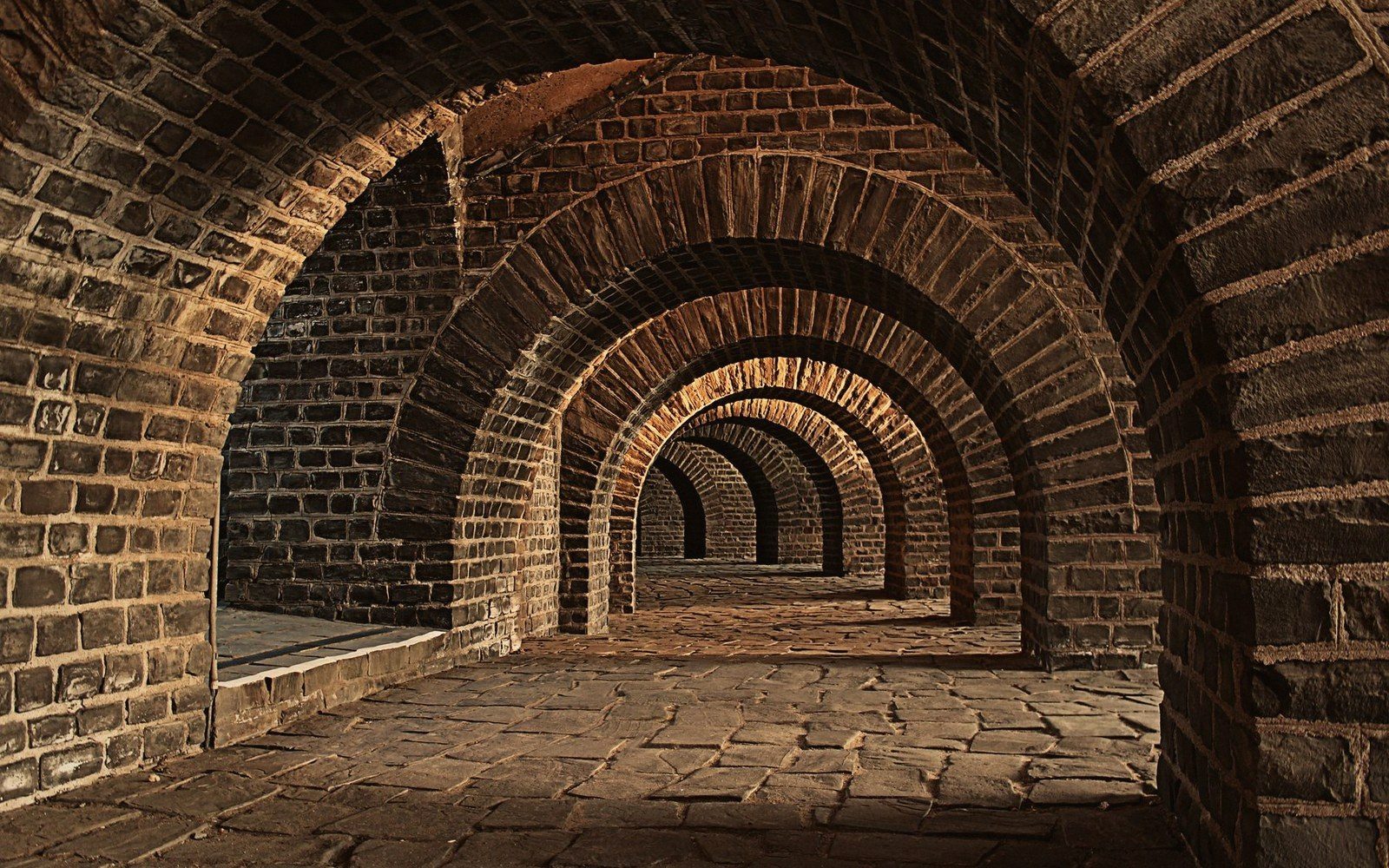
A limestone hillside maintains a temperature that no engineer designed and no machine sustains.
Why the rock works
Dig far enough into a hillside — or find a natural cave where one already opens — and the temperature stops varying. Not because the rock is warm, but because it is massive. The thermal mass of several metres of limestone, loaded with the slow trickle of percolating groundwater, damps out the seasonal swing that ruins stored food and accelerates fermentation. What you get is a temperature close to the mean annual air temperature of the region: in the Jura, typically somewhere between eight and twelve degrees Celsius, stable enough across the year that a thermometer would barely move between February and August.
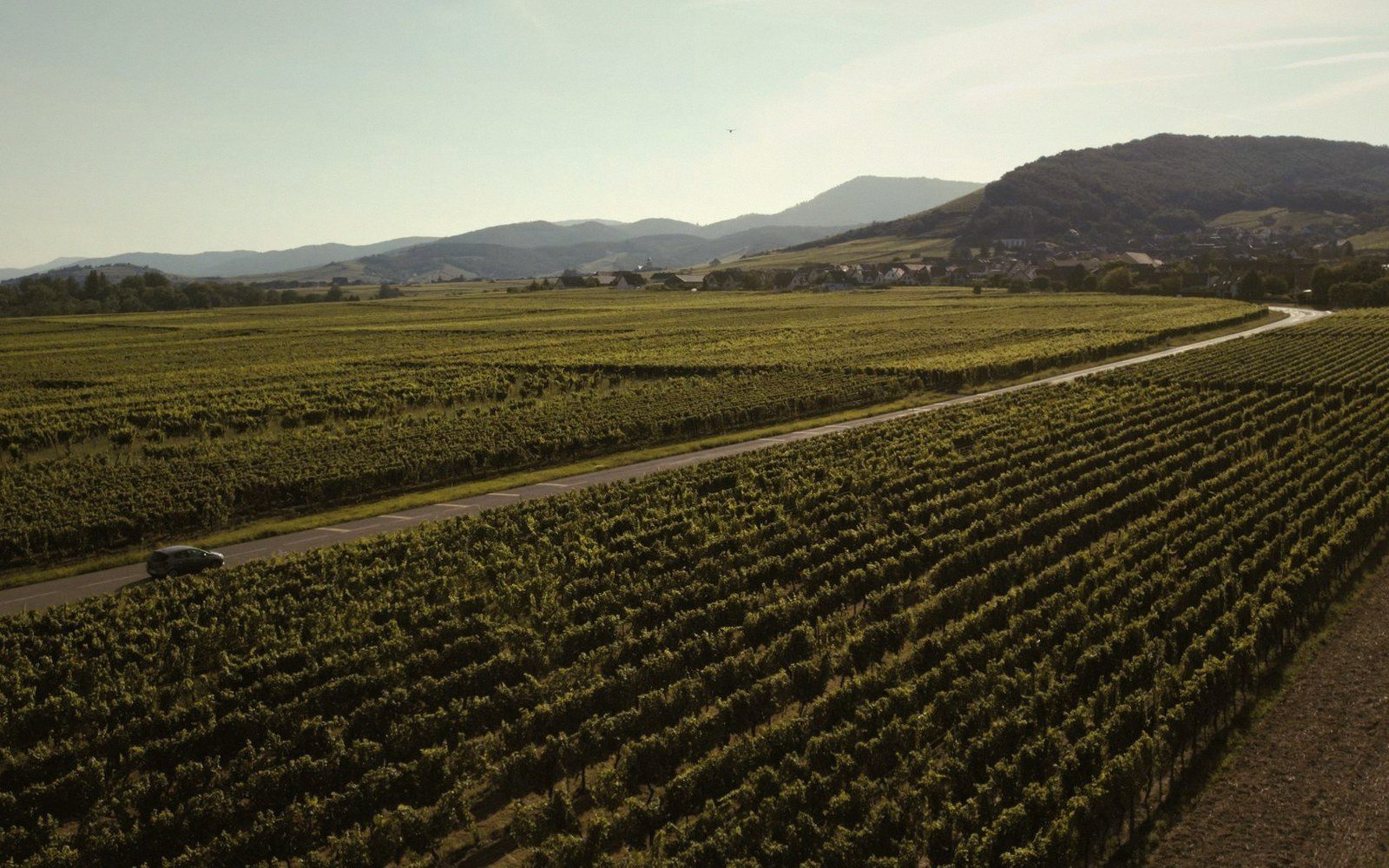
This is not magic. It is simple physics with useful consequences. Heat diffuses into rock slowly; the deeper you go, the more attenuated the seasonal pulse. A cellar carved a few metres into a marl-and-limestone slope reaches a depth where the annual thermal wave has spent itself almost entirely. The temperature it settles at is not adjustable — you accept what the geology gives you — but what it gives you is remarkably consistent.
Field notes · How the temperature works
- Thermal massthe ability of a large, dense material to absorb and release heat slowly, smoothing out temperature swings
- Annual thermal wavethe seasonal pulse of surface temperature that penetrates rock at roughly one metre per month, fading with depth
- Mean annual temperaturethe fixed point the cellar converges on: the average of all the highs and lows above ground, roughly 8–12 °C in the Jura uplands
The consequences for the industries built on this hillside are direct. Cheese held in a rock cellar ages at a rate the cheesemaker can predict, because the temperature driving the microbial work in the rind is reliable. Wine resting in bottles or barrels does not cook in summer or freeze in winter. Brine, before it reaches the salt pan, can be stored without spoiling, because the cool suppresses bacterial growth. The cellar in the rock is, in each case, the invisible infrastructure — preceding refrigeration by centuries, requiring no fuel, needing only the labour to carve it once.
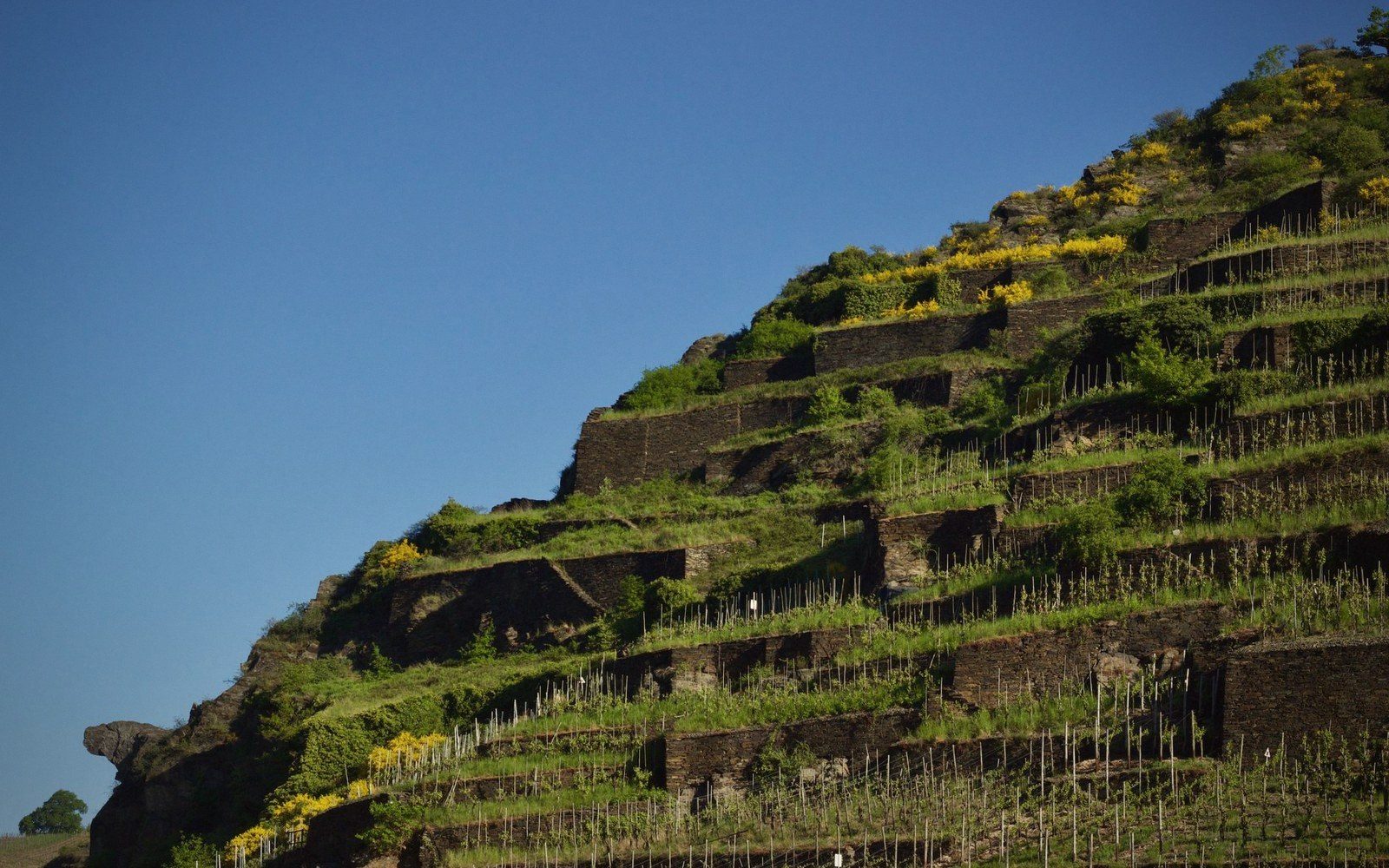
What changes is the lining: bare rock for cheese made in common, or limewashed walls for a wine cellar. The physics underneath does not change at all.
Keep following the water